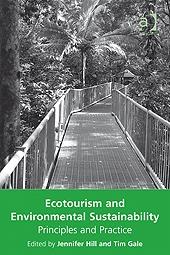
'Ecotourism' is generally defined as fostering sustainable consumption of natural areas, including educative and conservation-supporting elements. It overlaps with and incorporates characteristics of wildlife, adventure and nature-based tourism, as alternatives to mass tourism. This book offers conceptual and practical insights into the complex interactions between ecotourism and the natural environment, with consideration given to government policy, marketing by suppliers, consumer behaviour and visitor/environmental management. Drawing on a diverse series of case studies from around the world, a variety of ecotourism activities, ecosystem types, ecosystem components and environmental responses are examined. Both positive and negative tourism-environment relationships are introduced, and ecotourisms environmental sustainability credentials are challenged with reference to carbon expenditures and climate change as a notable cause for concern. Illustrated by studies of ecotourism in countries including Nepal, Peru, China, Canada, India, Australia, New Zealand, South Africa and Cuba, it looks at the roles of and interplay between tour operators, their clients, resource managers and local communities. In doing so, it builds up to a comprehensive and insightful overview of the factors that work for and against the achievement of environmental sustainability in and through ecotourism.
The book concludes by drawing together some of the lessons revealed in earlier chapters, in a critical examination of ecotourism and environmental sustainability that proposes a number of directions for future research in this area.



 (0 Comentarios)