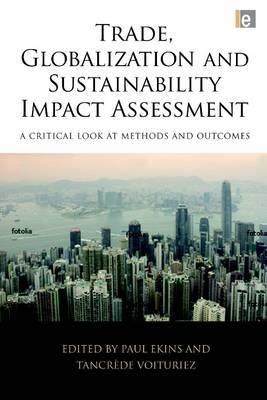
Trade liberalisation, as promoted by the World Trade Organization (WTO) has become one of the dominant drivers and most controversial aspects of globalization. Trade sustainability impact assessments (SIAs) were introduced as a means of generating better understanding of the social and environmental impacts of trade liberalisation and of making those impacts more consistent with sustainable development. This book takes a hard look at the practice of Trade SIAs to date, and the extent to which they have achieved their objectives and improved the outcomes of trade negotiations. It proposes several ways in which Trade SIAs could be made more effective, and illustrates these in respect of controversial sectors such as textiles, services and investment. Finally the book makes proposals beyond SIA through which some of the conflicts between trade liberalization and sustainable development could be more effectively addressed. Written by top researchers and experts on trade SIAs, the book also provides a particularly useful background for those considering how the environment and trade interrelate at regional level, with some particular insights on climate change and trade policies.
Overview and General Introduction; Part I: The Context: Trade, SIAs and Development; The Development Puzzle in Impact Assessment; Why Did "development" Entrap the Doha Round?; Have Sustainability Impact Assessment of Trade Agreements Delivered on "Development" Issues: a Reflexive Analysis of the Emergence and Main Contributions of Trade SIAs; Part II: The New Challenges of Trade Liberalization: Beyond SIA; SIA and the New Challenges of Trade Liberalization; Investment Matters; What's Wrong with Services?; Collective Preferences and Trade: What the Dispute Settlement Body Tells Us; Part III: Breaking the Impasse: the National Policy Framework; Participation in Trade SIAs; Fairness in Trade: Identifying Trade Victims; How to Compensate Losers; The Value of Value Chains: Spreading the Gains from Liberalization; Part IV: International Cooperation; Collective Preferences and International Compensation; Toward a Sustainable Commodity Agreement; The Trade and Environment Relationships Reconsidered: the Case of Regional Trade and Climate Change; Conclusion.